
13 Scandinavian Bedroom Ideas for a Calm Look
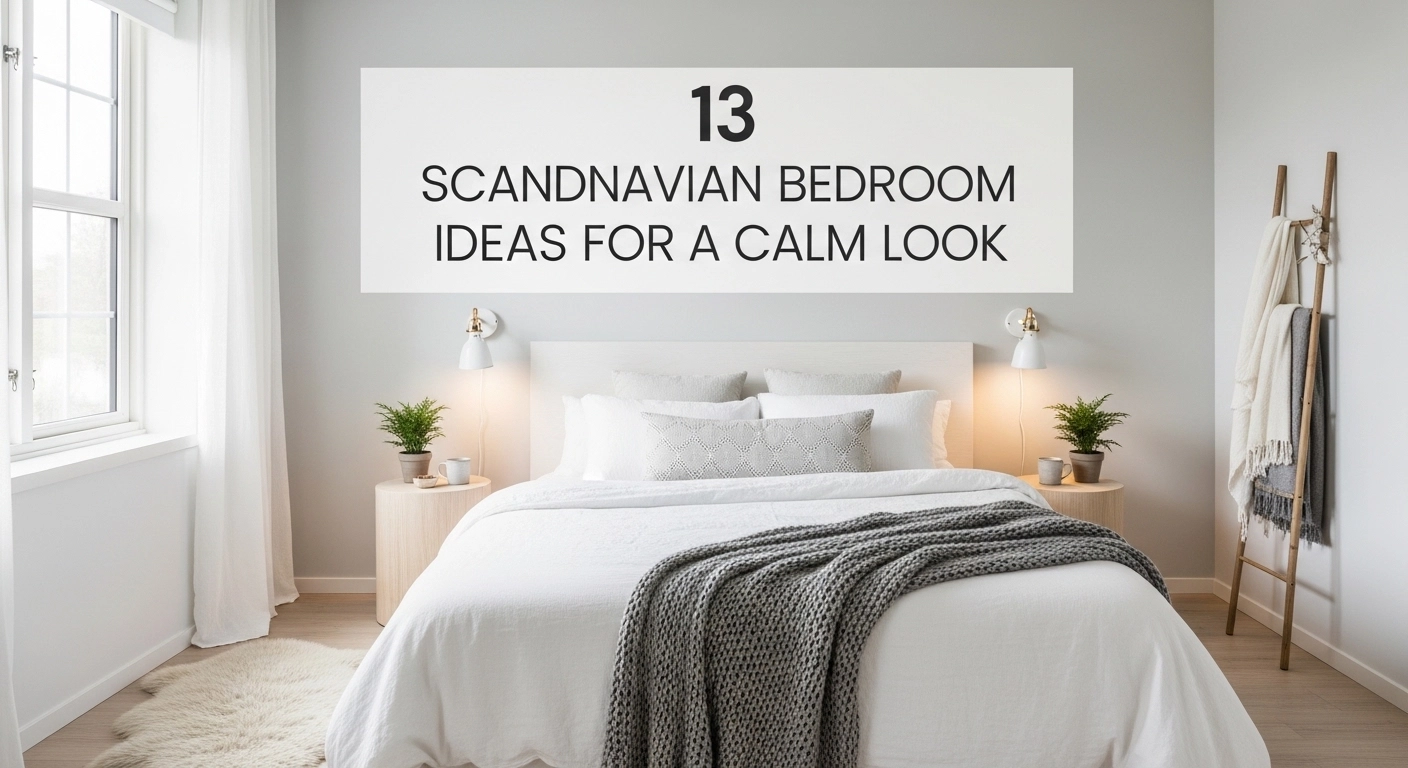
A scandinavian bedroom works best when it feels quiet, useful, and comfortable without looking bare or cold. That balance can be harder to get right than it seems. Too much white and the room feels flat. Too many cozy extras and the clean look disappears. The good news is that Scandinavian style is not about perfection. It is about creating a bedroom that feels light, restful, and easy to live in.
The ideas below focus on real rooms and realistic choices. You do not need a giant budget, custom furniture, or a picture-perfect home to use them well. You just need a clear sense of what makes the room feel calmer and what makes it feel busier than it needs to be.
Why Scandinavian bedroom ideas work so well
Scandinavian design tends to calm a room because it relies on a few simple principles that support both style and daily life. It favors soft light, natural materials, gentle contrast, useful furniture, and enough empty space for the eye to rest. In a bedroom, that matters more than almost anywhere else.
A calm bedroom usually has three things working together: visual simplicity, physical comfort, and practical function. Scandinavian style handles all three well. It makes even a small bedroom feel lighter, helps everyday clutter stay under control, and gives the room warmth without making it heavy.
1. Start with a soft neutral base
The easiest way to create a Scandinavian look is to build the room around a quiet palette. Think warm white, soft beige, light greige, pale taupe, or muted gray rather than stark bright white everywhere.
This works because a neutral base reflects light, reduces visual noise, and gives the room a settled feeling. It also makes it easier to mix different woods, textiles, and shapes without the room turning chaotic.
This idea works especially well in small bedrooms, low-light rooms, and spaces that already feel a little crowded. A lighter backdrop makes the room breathe.
To use it well, keep the large surfaces calm. Walls, bedding, curtains, and rugs should stay within a close family of soft tones. Then add interest through texture rather than color. A linen duvet, a wool throw, and matte painted walls can do more than an extra five accent colors ever will.
One mistake to avoid is choosing neutrals that feel too cold. A blue-white wall color can make the room feel crisp in a bad way. In most bedrooms, slightly warm neutrals feel more restful.
2. Use light wood to bring warmth without heaviness
Light wood is one of the most recognizable Scandinavian elements, and for good reason. Oak, ash, birch, and pine add warmth in a way that still feels airy.
This idea works because wood softens minimal rooms. It keeps the bedroom from feeling sterile and adds a natural, grounded quality that paint and metal cannot do on their own.
It suits almost any bedroom, but it is especially helpful in rooms with a lot of white or pale gray. Even one wood bed frame or dresser can change the whole mood.
The best approach is to let wood appear in a few key places: the bed frame, bedside tables, dresser, shelving, or a bench at the foot of the bed. Keep the finish matte or low-sheen when possible. Scandinavian rooms usually look better with wood that feels natural rather than glossy and polished to the point of looking formal.
A common mistake is mixing too many unrelated wood tones in one small room. Two tones can work. Five usually starts to look accidental.
3. Choose simple furniture with gentle lines
Scandinavian furniture tends to be clean and functional, but that does not mean it has to be sharp or severe. The most calming rooms often use simple pieces with slightly rounded edges, slim legs, and easy shapes.
This works because clean-lined furniture gives the room structure without making it feel cramped. It helps the bedroom look ordered even when life is being, frankly, less cooperative than the styling photos suggest.
This idea is best for anyone furnishing from scratch or replacing bulky pieces that visually dominate the room. It is also ideal for smaller layouts where oversized furniture makes everything feel tighter.
When picking furniture, focus on proportion first. A lower bed frame can make ceilings feel taller. Open-leg nightstands can keep the room looking lighter than boxy pieces that sit heavily on the floor. A dresser with a flat front and minimal hardware often looks calmer than one with a lot of detailing.
The caution here is not to confuse “simple” with “undersized.” Furniture still needs enough visual weight to anchor the room. Tiny pieces can make the room feel unfinished rather than serene.
4. Layer bedding in quiet textures
A Scandinavian bedroom rarely depends on bold pattern for interest. Instead, it gets depth from texture. Bedding is the easiest place to do that.
This works because layered texture makes a room feel soft and inviting while keeping the palette calm. It adds richness without creating clutter.
It works in every bedroom, but especially in rooms with a very limited color scheme. If the room is mostly white, beige, gray, or soft brown, texture stops it from feeling flat.
Try combining washed linen, crisp cotton, a light quilt, and one wool or boucle throw. Keep the colors related but not perfectly matched. A little tonal variation looks more natural and relaxed. Two or three standard pillows plus one accent cushion is usually enough.
The mistake to avoid is over-layering. If the bed looks like it takes twelve minutes to unpack before you can sleep in it, the calm feeling starts to vanish.
5. Let natural light stay the main feature
Scandinavian interiors are known for making the most of available light. In a bedroom, that often means treating the window area with restraint instead of crowding it.
This works because daylight makes soft colors, wood tones, and natural fabrics look better. It also helps the room feel fresher and more open during the day.
This idea works best in bedrooms with decent windows, but even low-light rooms benefit from not blocking what little light they get.
Use light-filtering curtains, simple roller shades, or airy linen panels that hang neatly and close well at night. Mount curtains a bit higher and wider than the actual window if you want the wall to feel taller and the window to look more generous.
A common problem is choosing window treatments that are too heavy, too short, or too decorative. Thick, puddled curtains with elaborate details can fight against the clean mood fast.
6. Add contrast with black or charcoal accents
A Scandinavian bedroom does not need strong contrast, but a little bit of it helps the room feel finished. Black, charcoal, or deep brown accents can outline the space and give pale colors some definition.
This works because contrast keeps soft neutral rooms from drifting into bland territory. A black reading lamp, slim frame, or dark hardware can quietly sharpen the whole look.
This suits bedrooms that already have a pale palette and need a little structure. It is especially useful if the room feels too washed out or one-note.
Use darker accents in small, deliberate doses. Think lamp bases, picture frames, drawer pulls, a stool, or one darker textile. Spread them around instead of dropping one lonely black item into a sea of beige and hoping for the best.
The main caution is balance. Too much black can make the room feel graphic and modern in a harder way than you may want. This style works best when the darker notes support the softness rather than overpower it.
7. Keep the floor simple with a low-key rug
A rug can make a Scandinavian bedroom feel warmer and quieter, especially if the room has hardwood, laminate, or tile flooring. The key is choosing one that supports the room instead of shouting over it.
This works because rugs soften sound, add comfort underfoot, and visually connect the furniture. They also help define the sleeping area in a gentle way.
This idea works well in both large and small bedrooms. In compact rooms, a rug can make the layout feel more intentional. In larger rooms, it prevents the space from feeling too sparse.
Choose a rug in wool, flatweave cotton, or another low-pile texture in a subtle tone. Cream, oatmeal, soft gray, muted taupe, or a faint geometric pattern can all work well. Ideally, the rug should tuck at least partly under the bed so it feels integrated with the room.
A mistake to avoid is picking a rug that is too small. A tiny rug floating beside the bed usually looks disconnected. If budget limits the size, runners on both sides can work better than one undersized center rug.
8. Decorate with fewer objects, but better ones
Scandinavian bedrooms usually feel calm because they are edited well. The room is not empty, but every visible object earns its place.
This works because less visual clutter helps the brain relax. It also makes the items you do keep look more intentional and more beautiful.
This suits anyone who likes a calm home but does not want a bedroom that feels stiff or lifeless. It is especially helpful in small bedrooms where every surface gets busy fast.
A simple styling approach works best: one ceramic vase, one framed print, a stack of two books, one candle, one tray, maybe a small plant. The goal is quiet composition, not shelf-filling as a competitive sport.
The caution here is that “less” still needs personality. If you remove everything meaningful, the room can start to feel generic. Keep a few pieces that actually add mood or comfort.
9. Bring in natural materials beyond wood
Wood gets most of the attention, but Scandinavian rooms feel especially calming when several natural materials work together. Linen, wool, cotton, leather, jute, paper, rattan, and stone all add subtle depth.
This works because natural materials have texture and variation built into them. They make a room feel lived in and tactile without making it look crowded.
This idea works best in bedrooms that feel a little too smooth or one-dimensional. If the room is all painted surfaces and flat furniture, material contrast can warm it up quickly.
Try a linen duvet cover, a wool throw, a paper pendant shade, a jute basket, and a stone or ceramic lamp base. These layers create interest in a very quiet way. Even a woven headboard or cane-front bedside table can shift the mood.
One thing to watch is material overload. If every surface introduces a new texture, the room can start to look styled for display rather than rest. Repeat a few materials instead of collecting all of them.
10. Use wall art sparingly and choose calm subjects
Art matters in a Scandinavian bedroom, but quantity matters just as much as style. A few thoughtful pieces usually feel better than a crowded gallery wall.
This works because the right art gives the room character and focus without creating mental noise. In a bedroom, that is important. You want interest, not a visual debate above your bed.
This idea works well for nearly everyone, especially if the room feels plain but you do not want to fix that by adding more furniture or color.
Look for art with soft contrast, simple line work, muted landscapes, abstract forms, botanical sketches, or black-and-white photography. Thin wood or black frames often work well. One larger piece above the bed can feel calmer than several small ones.
The mistake to avoid is hanging overly busy or overly intense art in a room meant for rest. Bedrooms do not always benefit from dramatic, high-energy visuals, even if the artwork is beautiful on its own.
11. Make storage part of the design
A calm room is much easier to maintain when daily clutter has somewhere to go. Scandinavian bedrooms often feel peaceful not because people living in them own nothing, but because storage is built into the design.
This works because visible clutter competes with everything else in the room. Good storage protects the clean look without making the space feel overly controlled.
This idea is especially important in small bedrooms, shared spaces, or homes without much closet space.
Use storage that blends with the room: a bed with drawers, a slim dresser in light wood, closed nightstands, under-bed bins in natural fabric, or wall hooks that actually look good when empty. Open shelving can work, but only if what sits on it stays edited and consistent.
A limitation to remember is that open storage is less forgiving. It looks nice in theory, but in real life it can turn into visible clutter pretty quickly. Closed storage usually supports a calmer room better.
12. Add one soft accent color if the room feels too plain
Not every Scandinavian bedroom has to be beige, white, and wood only. A muted accent color can keep the space from feeling too restrained while still preserving the calm mood.
This works because one soft accent adds personality and visual rhythm without breaking the simplicity that makes the style appealing in the first place.
This idea suits people who like Scandinavian design but find all-neutral rooms a little too quiet. It also helps tie the room to the rest of the home if nearby spaces already use subtle color.
Good options include sage, dusty blue, clay, muted olive, soft rust, or smoky blush. Bring the color in through bedding, art, a throw, a cushion, or a small upholstered chair. One accent color used a few times feels more thoughtful than three colors used once each.
The caution is to keep the accent muted and controlled. Bright, highly saturated colors can pull the room away from the calm Scandinavian feel surprisingly fast.
13. Leave a little empty space on purpose
One of the most overlooked Scandinavian bedroom ideas is also one of the most powerful: do not fill every corner.
This works because negative space gives the room breathing room. It lets furniture, light, and texture stand out. It also makes the bedroom feel calmer in a way that is hard to fake with decor alone.
This idea works best in bedrooms where the layout feels tight or where too many small items compete for attention. Even larger rooms benefit from it because empty space can make the room feel intentional instead of unfinished.
To apply it well, resist the urge to push furniture into every open spot. Leave some wall space undecorated. Let one surface stay mostly clear. Give the bed room to anchor the space instead of surrounding it with extras from every direction.
The mistake here is misunderstanding empty space as wasted space. In a bedroom, visual quiet is useful. A room does not need to prove itself by being full.
Conclusion
A good scandinavian bedroom is not about copying a showroom or stripping the room down until it stops feeling human. It is about making thoughtful choices that help the space feel lighter, softer, and easier to live in. Start with a calm base, add warmth through wood and textiles, keep furniture simple, and let function support the look.
You do not need all 13 ideas to make the style work. Even two or three well-chosen changes can make a bedroom feel noticeably calmer. And honestly, that is part of the appeal. Scandinavian design looks simple because, at its best, it is built around what a bedroom actually needs.